
SCHOOL-BASED PSYCHOLOGICAL ASSESSMENTS
1 in 5 students experience learning and/or classroom behaviour difficulties.
For some, challenges persist despite quality teaching and intervention, leaving schools and families unsure of next steps.
We understand that long waitlists and high private costs can delay access to psychological school-based assessments, impacting student learning, wellbeing and funding eligibility.
We are here to help!

OUR ASSESSMENT SOLUTION
Psychs in Schools delivers flexible, school‑based psychological assessments that are practical, collaborative and funding‑ready.
No Rigid Packages: Assessments are tailored to each student and school context.
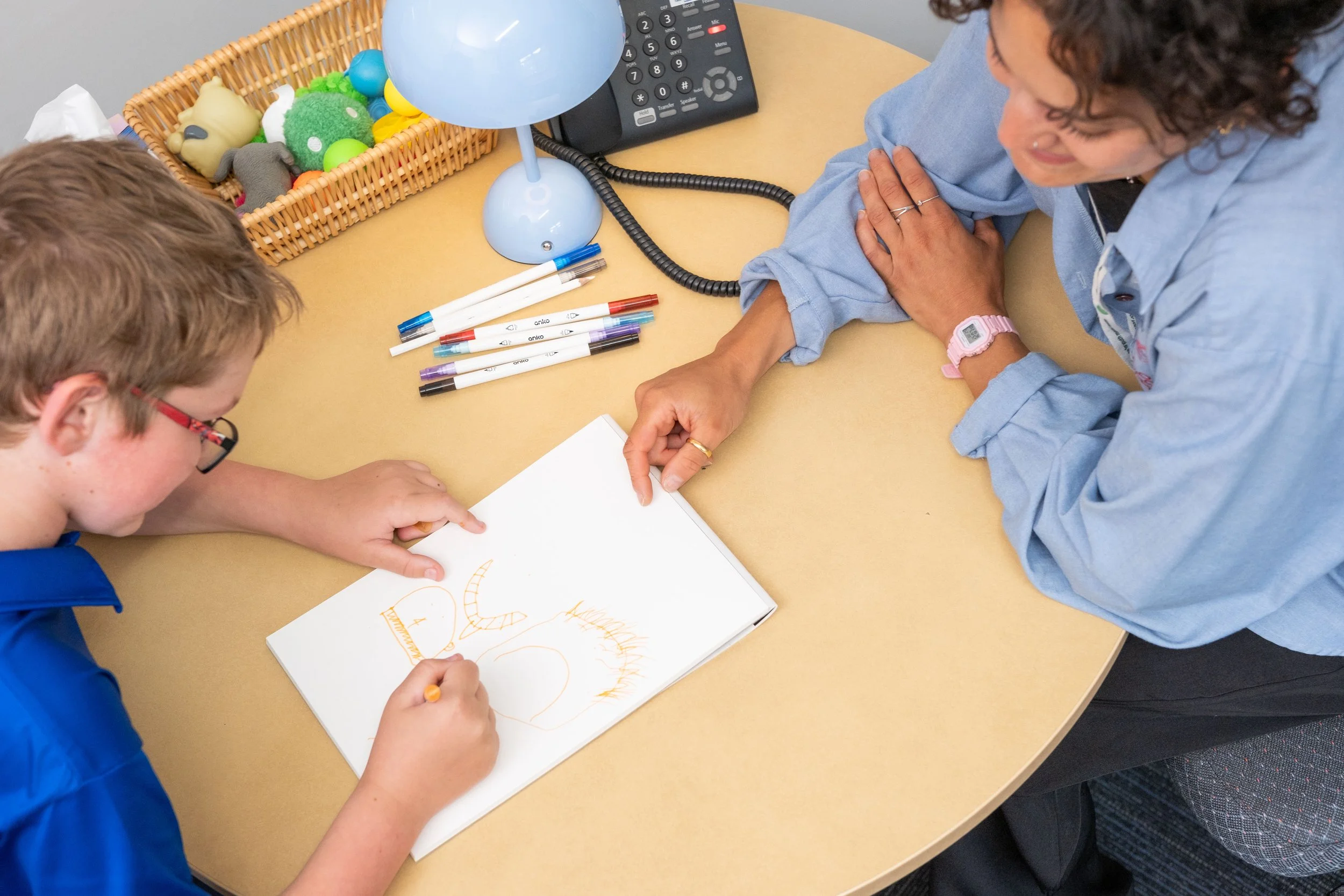
School‑Embedded Model: Provisional Psychologists are placed on site at the school.
Supervised Provisionals: All assessments are overseen and signed off by Senior Psychologists.
Collaborative Approach: Assessments are planned with teachers and families, grounded in classroom data.
“Holly is very approachable; she’s met with families and students and is undertaking sessions as of this week.”
- Corpus Christi Kingsville

Psychological Assessment Options
Every student’s needs are different. Some students require a focused assessment to provide formal evidence for school planning or funding processes. Others need a more comprehensive assessment to understand a complex learning, developmental, behavioural or emotional profile.
Our assessment options are designed to help schools choose the right level of assessment for each student’s needs.
-
Brief psychology assessments are best suited to students where the referral question is relatively contained, and the school needs an initial understanding of the student’s needs, formal assessment data, or psychological evidence to support planning, DIP or NCCD processes.
Brief assessments include:
Parent intake
Behavioural observation of the student
Cognitive testing or adaptive functioning questionnaires, selected based on the referral question and evidence required
Parent feedback
A short report with findings and recommendations.
-
Comprehensive psychology assessments are recommended when the student’s needs are unclear, complex or broader than can be answered through a brief assessment.
These assessments help schools and families understand the student’s full learning and developmental profile, resolve uncertainty, clarify diagnosis where appropriate, and guide classroom adjustments and intervention planning.
Cognitive functioning
Academic achievement
Adaptive functioning
Attention and executive functioning
Emotional wellbeing
Behaviour
Developmental history
Learning strengths and difficulties
School and family context.
-
Embedded assessment placements are designed for schools with multiple students requiring assessment, backlog pressure, upcoming DIP or NCCD evidence needs, or a desire for a more flexible and integrated assessment model. A provisional psychologist is embedded within the school for a planned placement.
Embedded placements can include a flexible mix of assessment types, including brief assessments, comprehensive assessments, and pre- and post-intervention testing. Pre- and post-testing can help schools evaluate whether targeted intervention programs are making a measurable difference.
Funding Considerations
While funding outcomes cannot be guaranteed, our reports are designed to align with DIP/NCCD guidelines and evidence requirements.
Disability Inclusion Profile/NCCD
Equity
Funding
Student
Wellbeing
Primary Welfare Budgets
Get in Touch!
If you are interested in one of our assessment options at your school, or not sure which option is the right fit.
Contact us at info@psychsinschools.com or reach out to our
Business Operations Manager, Jen Lyons, on 1800 157 168.
Frequently Asked Questions
-
Brief assessments: Cognitive testing and teachers perspective of adaptive functioning (Vineland).
Comprehensive assessment: Cognitive testing (e.g. WISC), adaptive functioning testing (Vineland), academic achievement (e.g. WIAT), behavioural observations, semi structured interviews, questionnaires related to activity levels, behaviour, social emotional functioning. -
Clear, evidence‑based reports
Practical recommendations for:
Classroom adjustments
Individual Learning Plans
Behaviour support
Family communication
Documentation aligned to:
NCCD
Disability Inclusion Program (DIP)
NDIS (where appropriate).
-
Yes, we have psychology packages available. Schools can opt to add 2 x brief assessments per semester to their chosen mental health package.
Contact us for package and pricing information.
-
One-Off Brief assessments start from $600.
One-Off Comprehensive assessments start from $2,600.
If your school has a high need for assessments, we can provide a provisional psychologist on-site. They can work at your school two days per week for one semester. They will have a capacity of up to 12 assessments.
Please contact us for detailed pricing. -
Once the referral is submitted, we will aim to triage within a week.
-
Brief Assessments are more suitable for DIP funding or students who have other existing assessments or consultations.
Comprehensive Assessments are most suited for students with a diagnosis or no previous assessment.
-
6 - 18 years old.
-
Primary, Secondary, Specialist & Independent Schools.
-
We ask that the primary school contact provide the referrals. All information is included in the referral assessment form and guide (found on this page).
-
Once the referral has been accepted, we aim to have assessments within 14 weeks.
This timeline can change based on parent involvement, the scale of assessment required and how complex the referral is.
It may also depend on the time of year the referral is accepted. -
Families are involved through intake and feedback so that assessment findings are understood in context and can be translated into practical support for the student at school and at home.
-
Usually, yes, we encourage you to reach out to us.
-
Our comprehensive assessment covers all diagnosis categories, except autism. For autism, our comprehensive assessments can include enough to refer to a pediatrician.
-
Depending on the case, part of our comprehensive assessment includes opportunities for psychoeducation. Our reports include recommendations for counselling.
We are also happy to work with schools to implement our mental health packages.
-
All brief assessments include feedback with families.
Comprehensive assessments include feedback with families and schools.
For comprehensive assessments, we can also attend an SSG. We would not attend DIP facilitator meetings.