
SUPPORTING YOUR
CHILD’S MENTAL HEALTH
AT SCHOOL
At Psychs in Schools, we work alongside schools and families to support students’ mental health, wellbeing, learning, and development. Helping kids in every corner.
We understand that when a child is experiencing challenges at school, it can feel overwhelming for families. We provide in-school mental health services to support students, school staff, and families.
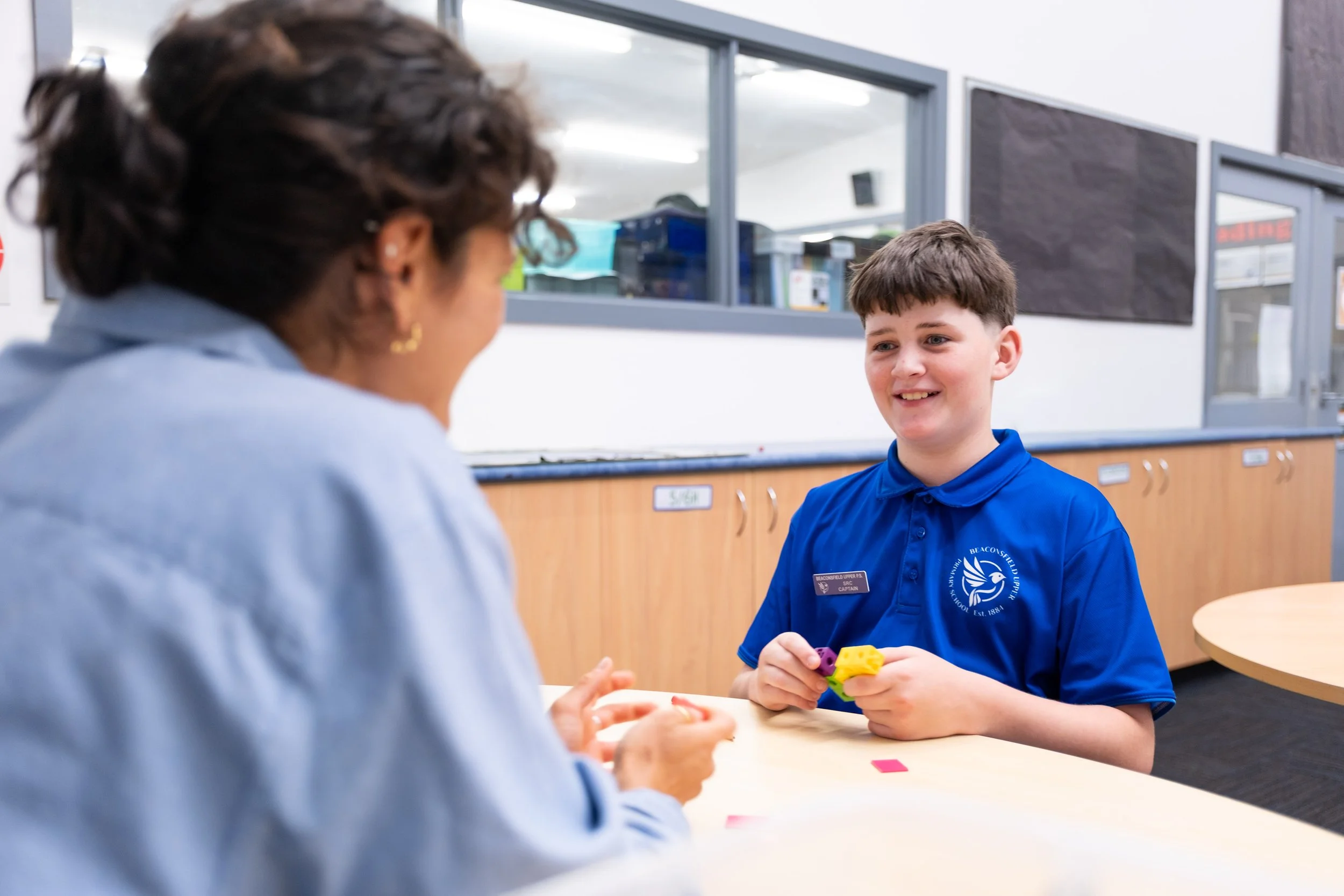
Child Psychology Support

Anxiety, stress, and emotional regulation.
Transitions (starting school, moving year levels, or changing schools).
Attention, organisation, and learning challenges.
Social skills, friendships, and confidence.
Supporting wellbeing during challenging life events.
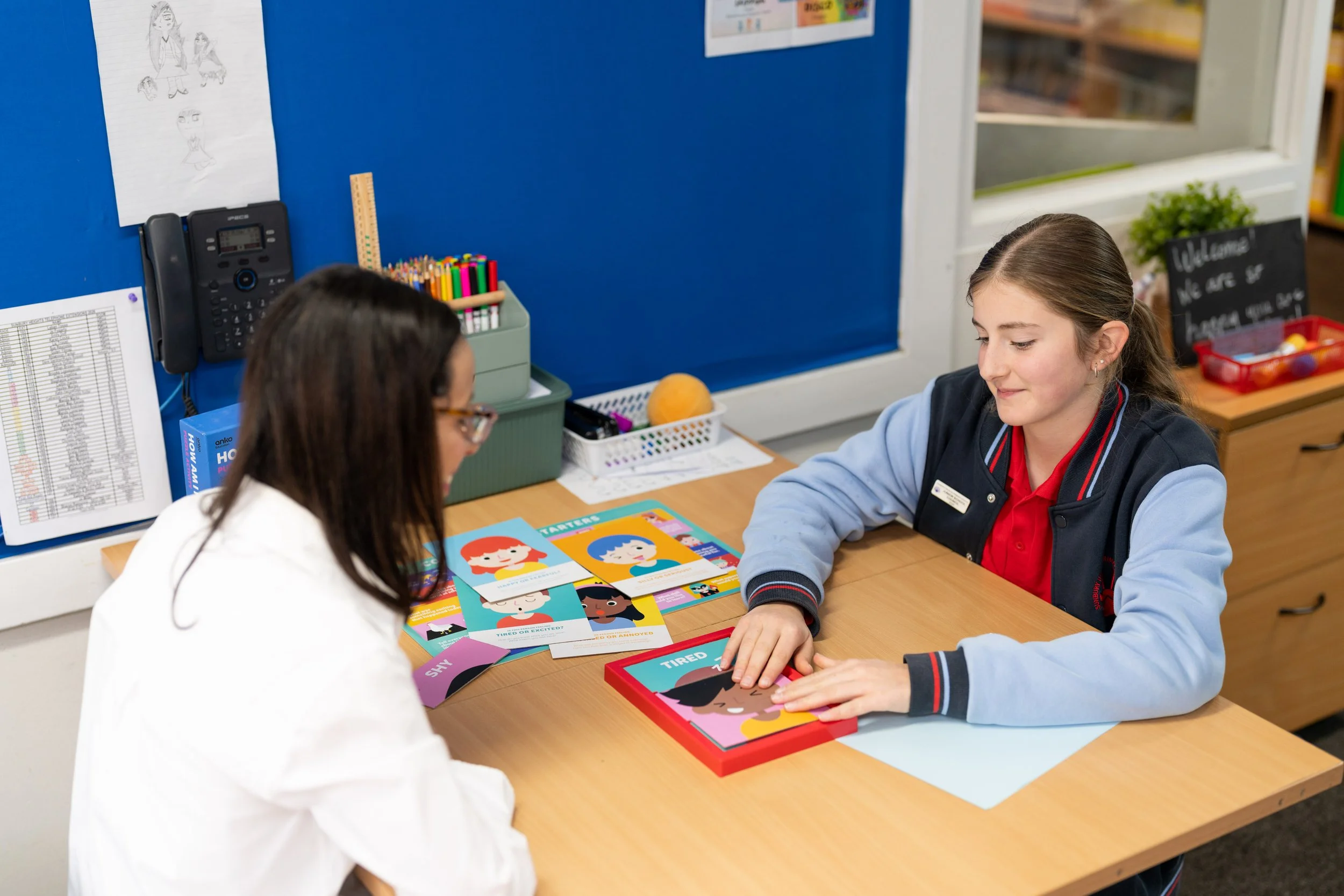
What Is School-Based Psychology?
School-based psychology is designed to provide accessible, early mental health support at school, where children spend most of their day.
1 in 5 students experience learning and/or classroom behaviour difficulties.
1) Support occurs at school during school hours.
2) Provisional Psychologists work closely with teachers, wellbeing teams & parents.
3) Support may be short-term, targeted, or consultative.
4) The focus is on learning, behaviour, and wellbeing at school.
“We couldn't be happier with the service provided to our students, enabling us to have a provisional psych supporting our students.”
- Darley Primary School
Our Process
Our Feedback Informed Treatment (FIT) model places us in the top 5% of comparable services, with an average of 85% of students showing measurable improvement. Compared to less than half of consumers (47%) who accessed a child and adolescent or child and youth mental health service in 2019 - 2020 and experienced a positive change in their mental health after receiving treatment (as measured by the Health of the Nation Outcome Scale).
1) Referral or concern raised
A concern may be raised by the school or by parents in collaboration with the school.
2) Parent consent obtained
No support or assessment occurs without informed parent or carer consent.
3) Assessment, observation, or support
This may include individual sessions, observations in the classroom or playground, and consultations with teachers.
4) Feedback and collaboration
Parents receive clear feedback, practical strategies, and opportunities to discuss next steps.
5) Ongoing review or recommendations
Support may conclude once goals are met, or recommendations may be made for continued support.


Frequently Asked Questions
-
Counselling usually happens with the student at school, but parent consultations and feedback sessions are a key part.
Parents and carers may be involved through:
Consultation and feedback sessions
Sharing insights about their child’s strengths and challenges
Collaborating on strategies that can be used at home and school.
-
Support may last one semester or continue longer. This depends on the student’s needs and the school context.
-
Schools typically see observable improvements in student mental health & wellbeing within four weeks of counselling commencing, with continued progress over time.
-
No cost to families. Our services are covered through school funding.
-
Information is handled sensitively and shared only as needed to support your child.
-
Yes. Please don’t fear, this is not all on you. Parents are encouraged to speak with their school about accessing school-based mental health support.
-
Your child’s privacy is important to us.
Information shared with our psychologists is confidential
Relevant information is shared with the school only to support your child, and with your knowledge
Provisional psychologists adhere to AHPRA registration requirements and ethical guidelines
Confidentiality may be limited if there are concerns about a student’s safety or wellbeing.
-
We use data and outcome measures to gauge progress in every session. We ask for feedback at the end of every session to continually tailor our support to your child’s needs.

CONTACT US TODAY
You can speak to your child’s school about accessing our mental health & wellbeing services or contact us below.