Feedback Informed Treatment
What is FIT?
Feedback Informed Treatment (FIT) is an evidence-based approach where psychologists systematically monitor client progress and the therapeutic alliance, using tools including the Outcome Rating Scale (ORS) and the Session Rating Scale (SRS).
This model enhances outcomes, reduces drop-outs, and allows tailoring therapy to individual student needs, focusing on the student’s perspective.
Benefits of Feedback Informed Treatment

Reduced Dropout Rates
Students are more likely to stay in therapy, as it addresses the alliance, a key driver of success.
Increased Effectiveness
By identifying when treatment is not working, psychologists can alter strategies before it is too late, optimising progress.
Empowers Clients
Encourages students to provide feedback on both positive and negative aspects, increasing their engagement and empowering their voice to lead their sessions.
Feedback Informed Treatment requires a "growth mindset" from psychologists. We are treating feedback on what isn't working as valuable information rather than a failure. It is used globally to improve care efficiency and quality.
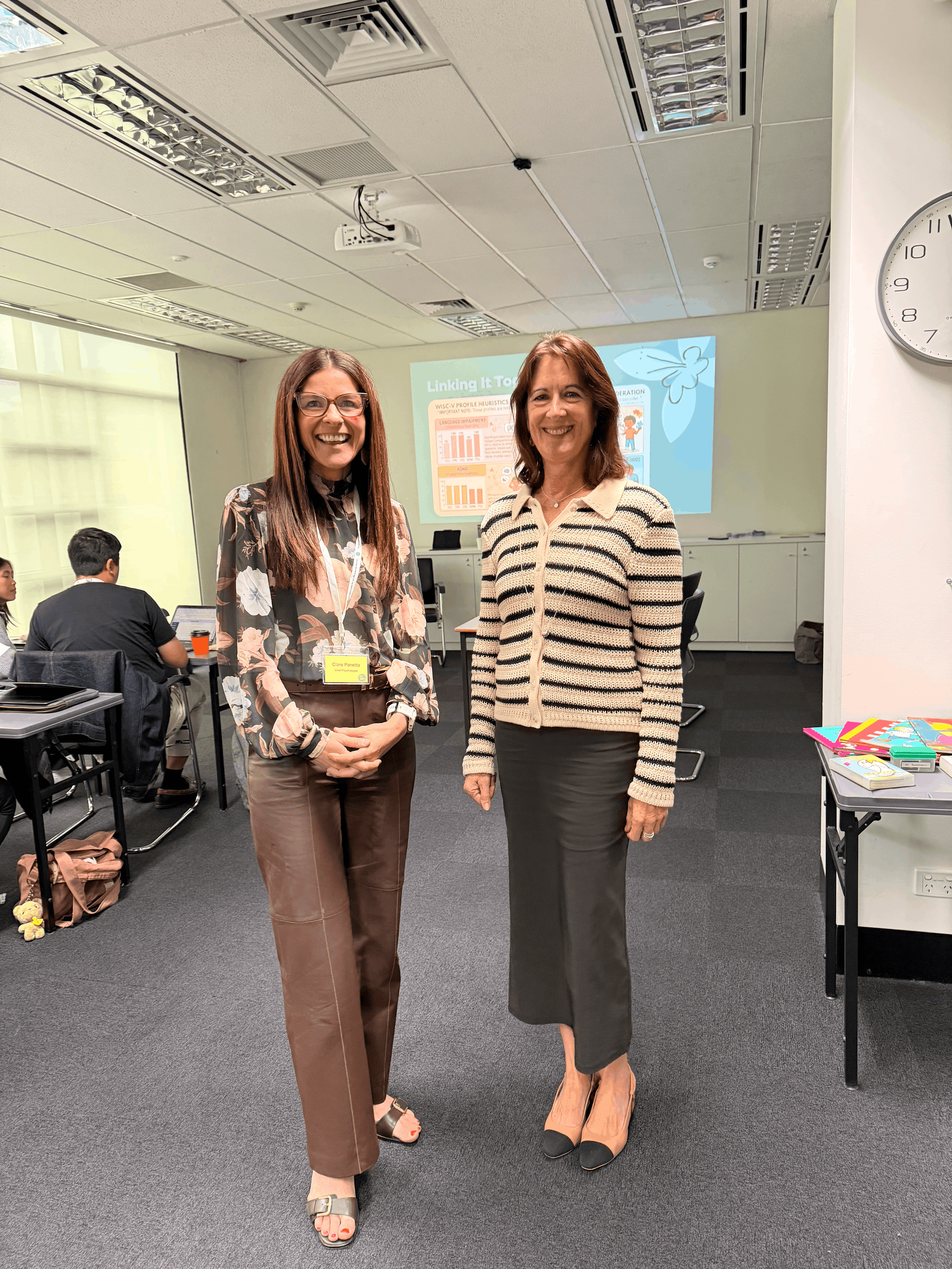
Our Co-Chief Psychologists, Dianne Summers & Clare Panetta, are hosting free webinars for teachers, school support staff, and school leadership. Learn how you can support Neurodivergent Students at school.
Join our next webinar!
Supporting Neurodivergent Students Through Transitions, Classroom Design, Predictability and Connection for a Strong Start.
A new school year brings exciting opportunities for growth, connection and a fresh start. For some students, moving into a new year level can also bring uncertainty, increased demands and a lot to navigate.
So, how can we make the transition easier?
This webinar will explore practical ways teachers can help set neurodivergent students up for a positive start, from preparing them for what’s ahead to creating classroom environments that support regulation, connection and learning.
We’ll explore what to do before the transition, classroom design, and how to build predictable and supportive routines. Come along to reflect on what you’re already doing well, discover some new ideas to add to your toolkit, and leave with practical strategies you can action right away.
Monday, October 26
3:45 pm - 4:30 pm
Registrations opening soon.
Details