
When a student struggles to engage in the classroom, it's easy to focus on the behaviour we can see. But what if that behaviour is telling us something about the support they need?
Every teacher has experienced it. A student who struggles to sit still. A child who withdraws during learning activities. A student who becomes frustrated, distracted or overwhelmed when asked to complete a task.
When these behaviours occur regularly, they can quickly become labelled as "challenging behaviours".
But what if we looked at them differently?
What if, instead of asking "How do we change this student's behaviour?", we started asking "What might be getting in the way of this student's learning?"
It's a small shift in thinking, but one that can make a meaningful difference to how we understand and support children in the classroom.
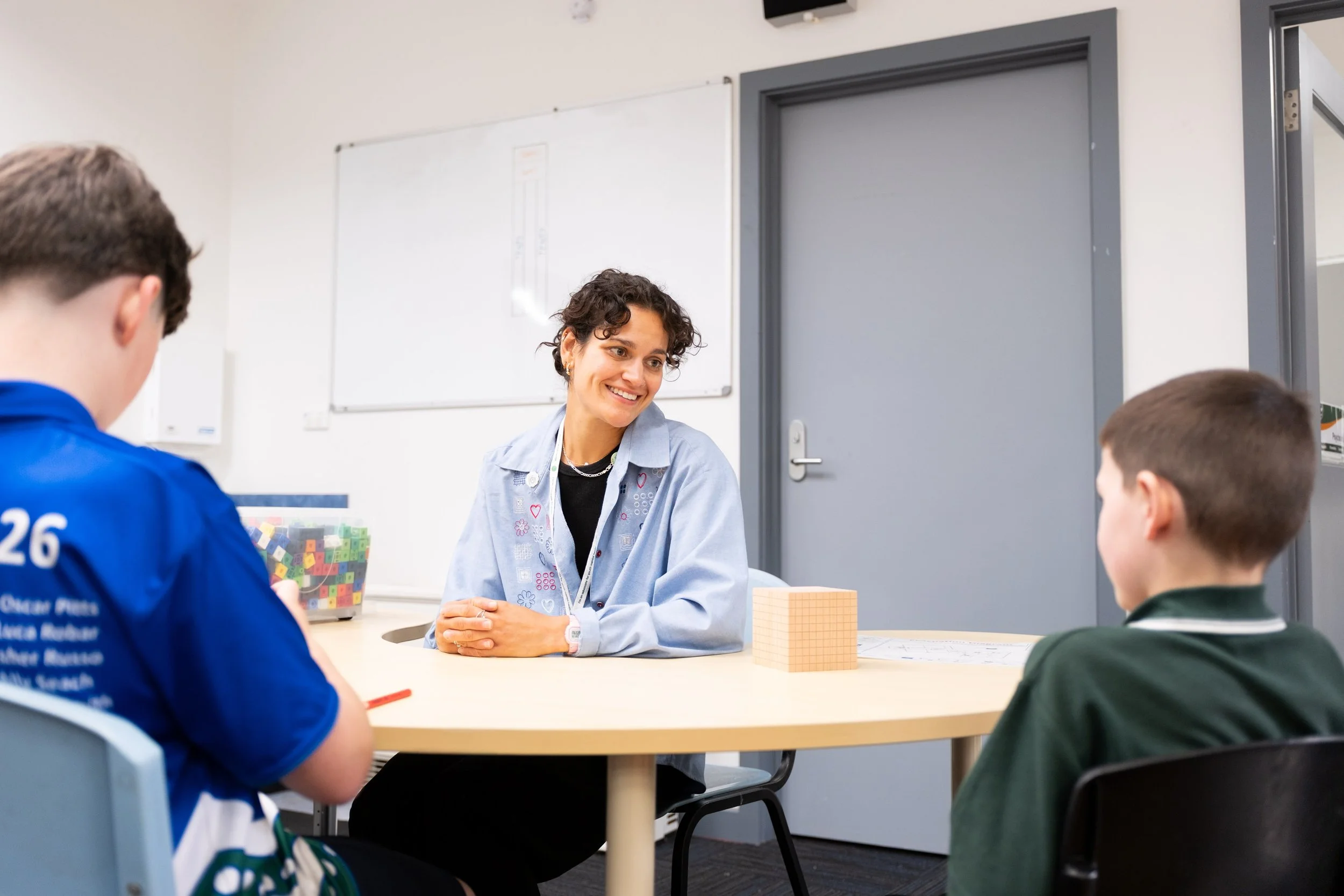
Looking Beneath the Behaviour
When a student isn't making the learning progress we'd expect, we naturally consider a range of factors.
Is the teaching approach meeting their needs? Are instructions clear? Is the learning material appropriate for their stage of development? How is the student processing and understanding the information being presented?
These are all important questions.
But there's another piece of the puzzle that deserves just as much attention: a student's social, emotional and behavioural needs.
Sometimes, what we see as challenging behaviour may reflect a mismatch between what a student needs and what their learning environment is providing.
A student who constantly moves around the classroom may be struggling to remain comfortable and focused while sitting still.
A child who avoids completing tasks may feel overwhelmed by the level of difficulty.
A student who withdraws or becomes upset may need connection and reassurance before they're ready to engage in learning.
Rather than viewing behaviour as something about the child that needs to be fixed, we can begin to explore what the behaviour might be communicating.
Three Areas That Can Influence Student Engagement
When considering barriers to learning, there are three important areas worth exploring:
The classroom environment: Does the physical space support the student's sensory, movement and learning needs?
Teaching and communication: Are instructions, expectations and interactions matched to the student's abilities and needs?
Social and emotional wellbeing: Does the student feel safe, connected, understood and ready to learn?
These areas don't operate independently. They influence one another and can shape how successfully a student engages with learning.
The good news? Sometimes, small adjustments in one of these areas can make a meaningful difference.
Nine Questions Every Teacher Can Ask
Supporting students doesn't always mean introducing an entirely new strategy or intervention. Sometimes, it begins with pausing, observing and asking the right questions.
Here are nine reflective questions to help identify potential barriers to learning.
1. Classroom Environment: Is The Space Supporting Learning?
Our classrooms are busy environments, filled with movement, noise, visual information and competing demands. For some students, these environments can make it harder to concentrate, regulate their emotions or engage in learning.
Consider asking yourself:
Is the classroom space quiet, calm and not overly visually stimulating? Could noise, clutter or distractions be making it difficult for some students to focus?
Is there room for students who need movement? Can students move their bodies when needed without disrupting the learning of others?
Is the physical environment a good fit? Are the seating, tables and equipment appropriate for each student's physical needs?
A small environmental adjustment, such as changing a seating arrangement or creating opportunities for movement, may help remove a barrier that was previously going unnoticed.
2. Teaching and Communication: Are We Meeting Students Where They Are?
How we communicate with students can influence how safe, confident and capable they feel in the classroom. Our tone of voice, body language, expectations and teaching approaches all play a role.
Consider asking yourself:
Do my words, voice and body language communicate warmth, care and safety? How might a student experience my communication, particularly when they're finding something difficult?
Is the learning matched to the student's current abilities? Are instructions and activities appropriate for their stage of learning and level of understanding?
Am I using inclusive teaching practices? Have I built flexibility into my teaching so students with different learning needs can participate and succeed?
Inclusive teaching isn't necessarily about creating a completely different lesson for every child. It's about recognising that students learn in different ways and being willing to adapt our approach to help them engage.
3. Social and Emotional Wellbeing: Does the Student Feel Connected?
Learning doesn't happen in isolation from emotions.
A student who feels overwhelmed, disconnected or unsafe may find it difficult to concentrate, follow instructions or participate in classroom activities. Building positive relationships and understanding each student's individual needs can help create the conditions for learning.
Consider asking yourself:
How well do I know this student's strengths, interests and challenges? Do I understand what motivates them and what might be affecting their wellbeing?
Have I made time to connect with their interests today? Have I created an opportunity for a positive interaction that isn't focused on behaviour or academic performance?
Can I recognise when a student needs connection before instruction? What signs might tell me they need reassurance, support or emotional connection before they're ready to engage?
Sometimes, a moment of connection can be more valuable than another instruction. When students feel understood and supported, it can become easier for them to participate, take risks in their learning and navigate challenges.
From Managing Behaviour to Understanding Needs
None of this means that classroom expectations, boundaries or behavioural support are unimportant. Rather, it encourages us to look beyond the behaviour itself.
Instead of focusing only on what a student is doing, we can become curious about why it might be happening.
What is the student experiencing?
What might they be finding difficult?
What could we change in the environment, our communication or the support we provide?
When we shift from simply managing behaviour to understanding the needs behind it, we create more opportunities for students to feel supported and succeed.
And importantly, teachers don't need to work through these questions alone. Collaboration between teachers, school wellbeing teams, psychologists and families can help build a more complete understanding of a student's needs and identify practical strategies that work across different environments.
Closing
By taking a more curious, compassionate and collaborative approach to student behaviour, we can help create classroom environments where more children feel understood, included and supported. And that's where meaningful change can begin.